Symbiosis & Resilience Lab
Understanding how ecological interactions fuel resilience in a changing ocean
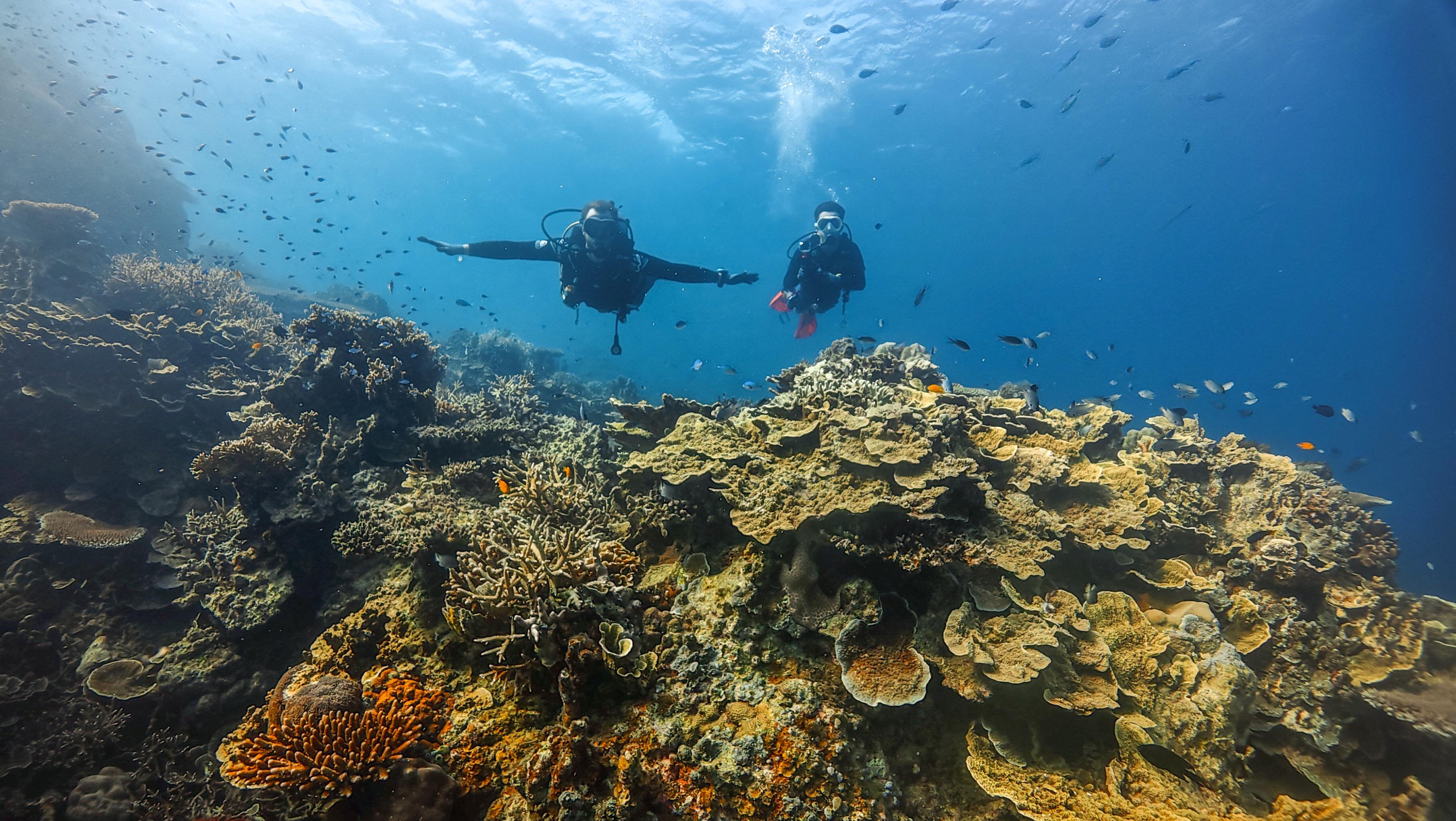
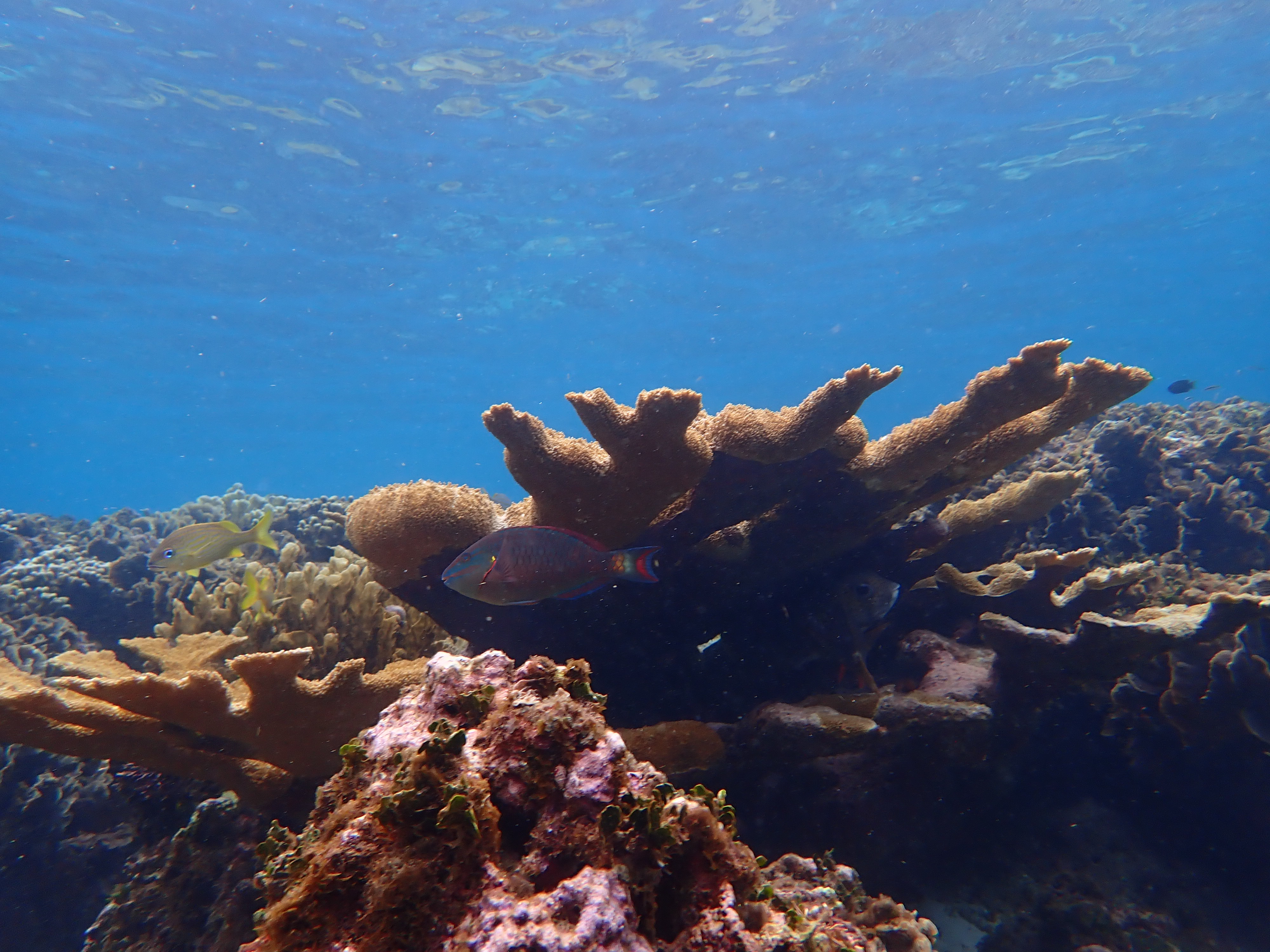

The Symbiosis & Resilience Lab investigates how ecological interactions - from host–microbe partnerships to herbivory and top-predator dynamics - shape the structure, functioning, and resilience of coral reefs and other tropical marine ecosystems in a changing ocean.
📰 Latest News
New Publication
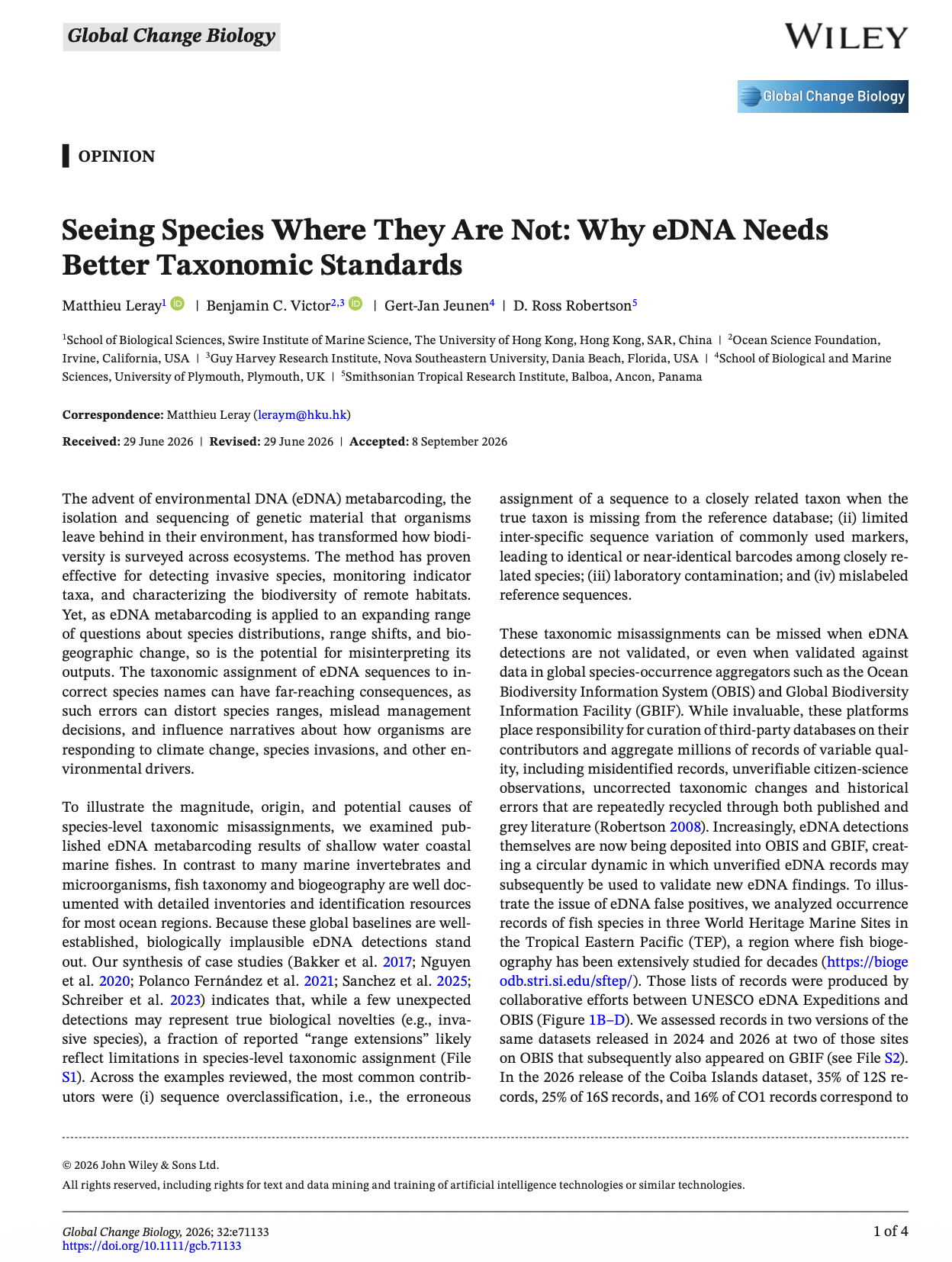
Seeing species where they are not: why eDNA needs better taxonomic standards
Leray M et al. · Global Change Biology · 2026

New Publication
Proteobacteria with chemosynthetic potential are highly prevalent in the gills of Hypoplectrus reef fishes
Abdelghany S et al. · PLoS Genetics · 2026
New Publication
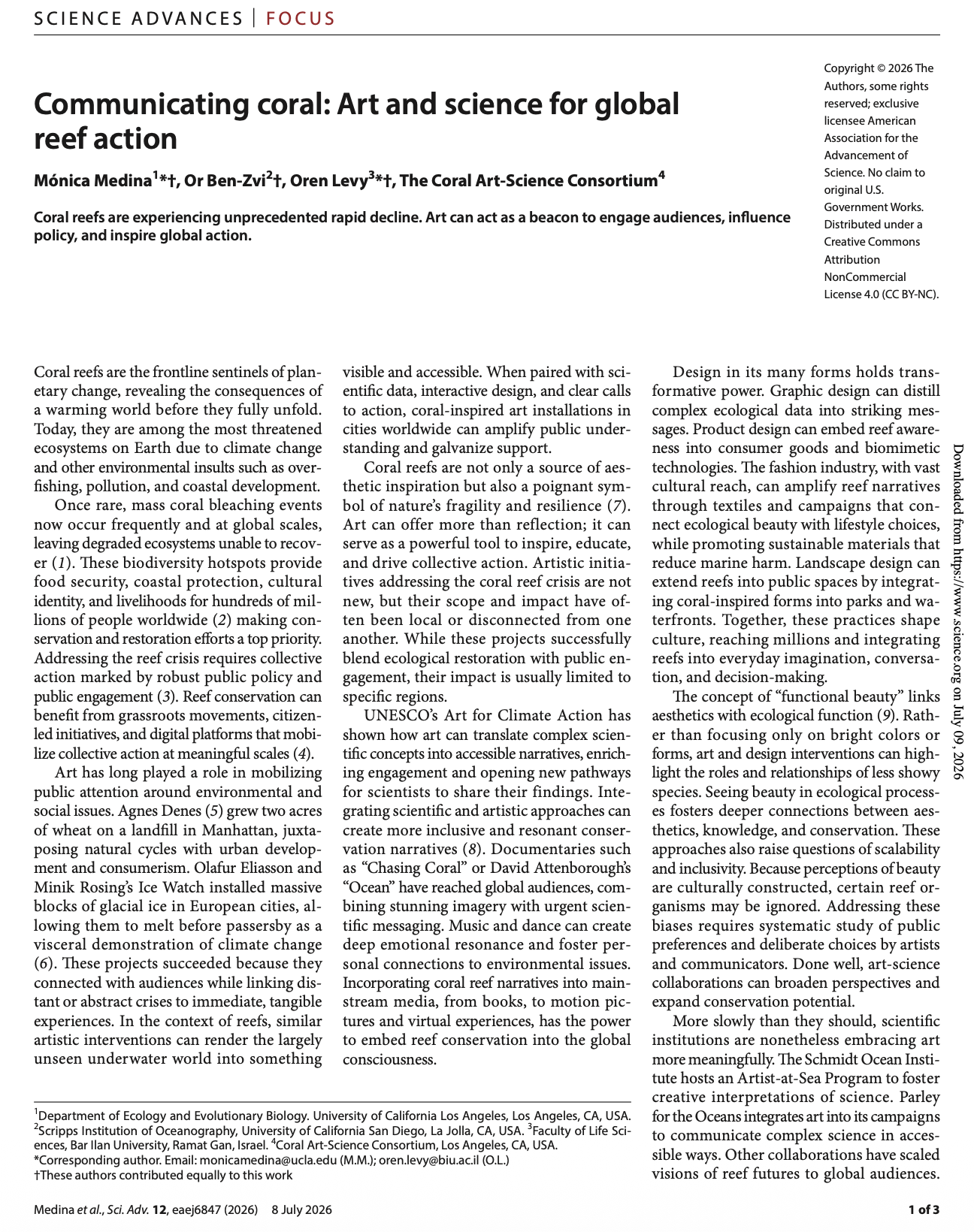
Communicating coral: Art and science for global reef action
Medina M et al. · Science Advances · 2026
New Publication
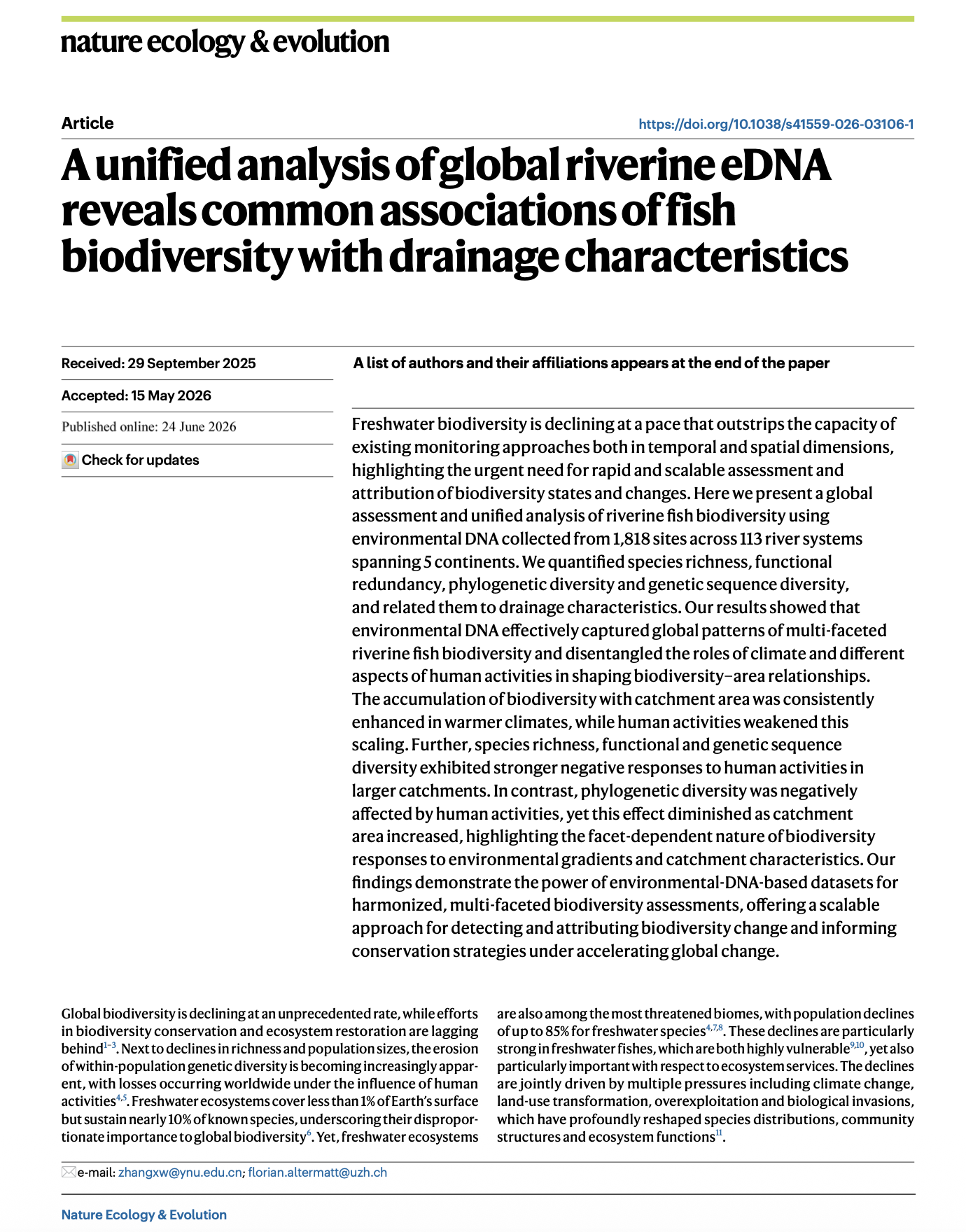
A unified analysis of global riverine eDNA reveals common associations of fish biodiversity with drainage characteristics
Zhang Y et al. · Nature Ecology & Evolution · 2026
🔬 Our Research
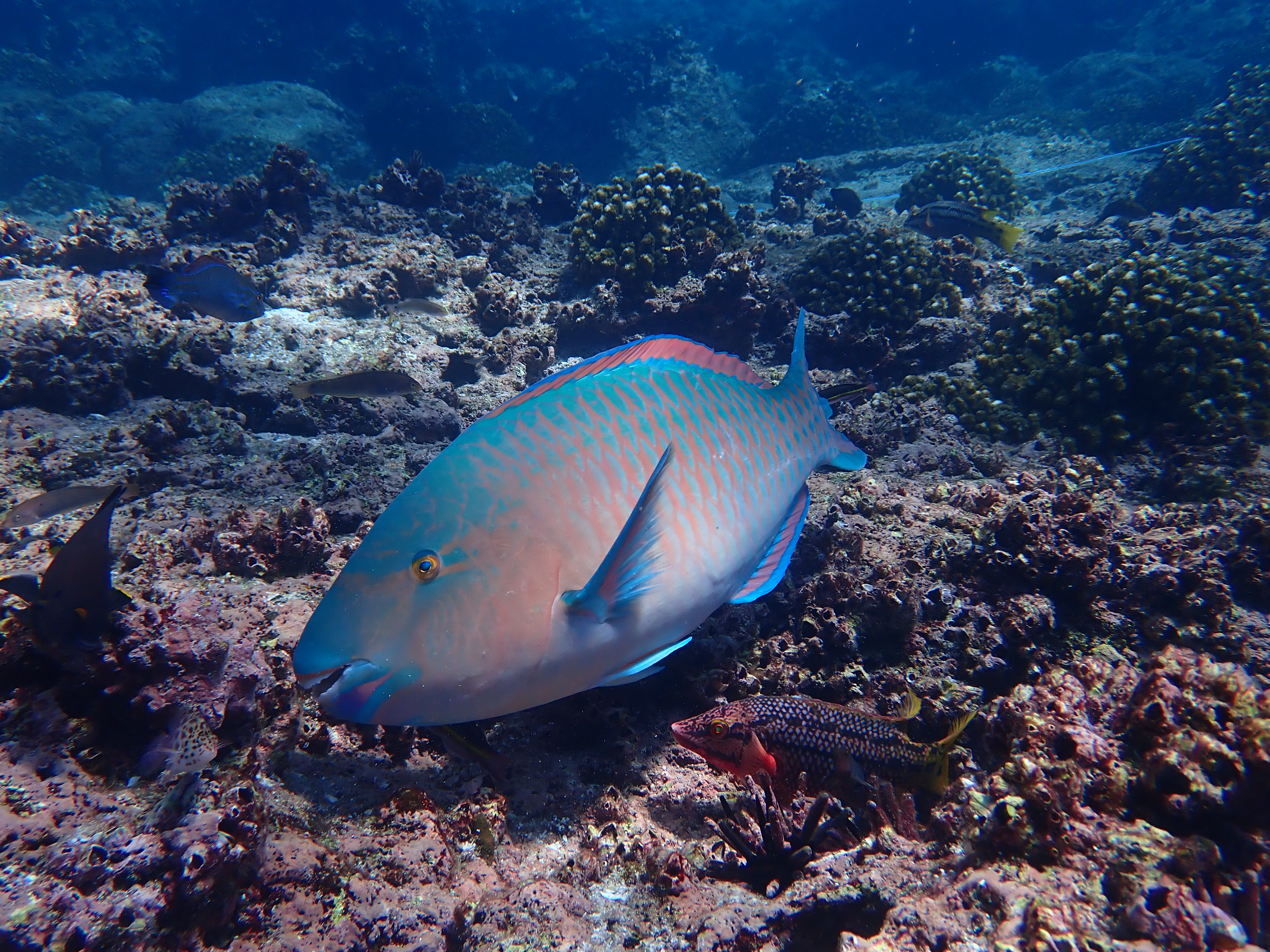
Functional versatility and the persistence of coral reef communities
Many species can coexist on coral reefs because each one uses food and space a little differently. But this specialization can leave species vulnerable when conditions change. We study the ability of reef animals to switch to new resources and roles to understand which species can cope with and persist through the ongoing degradation of coral reefs worldwide.
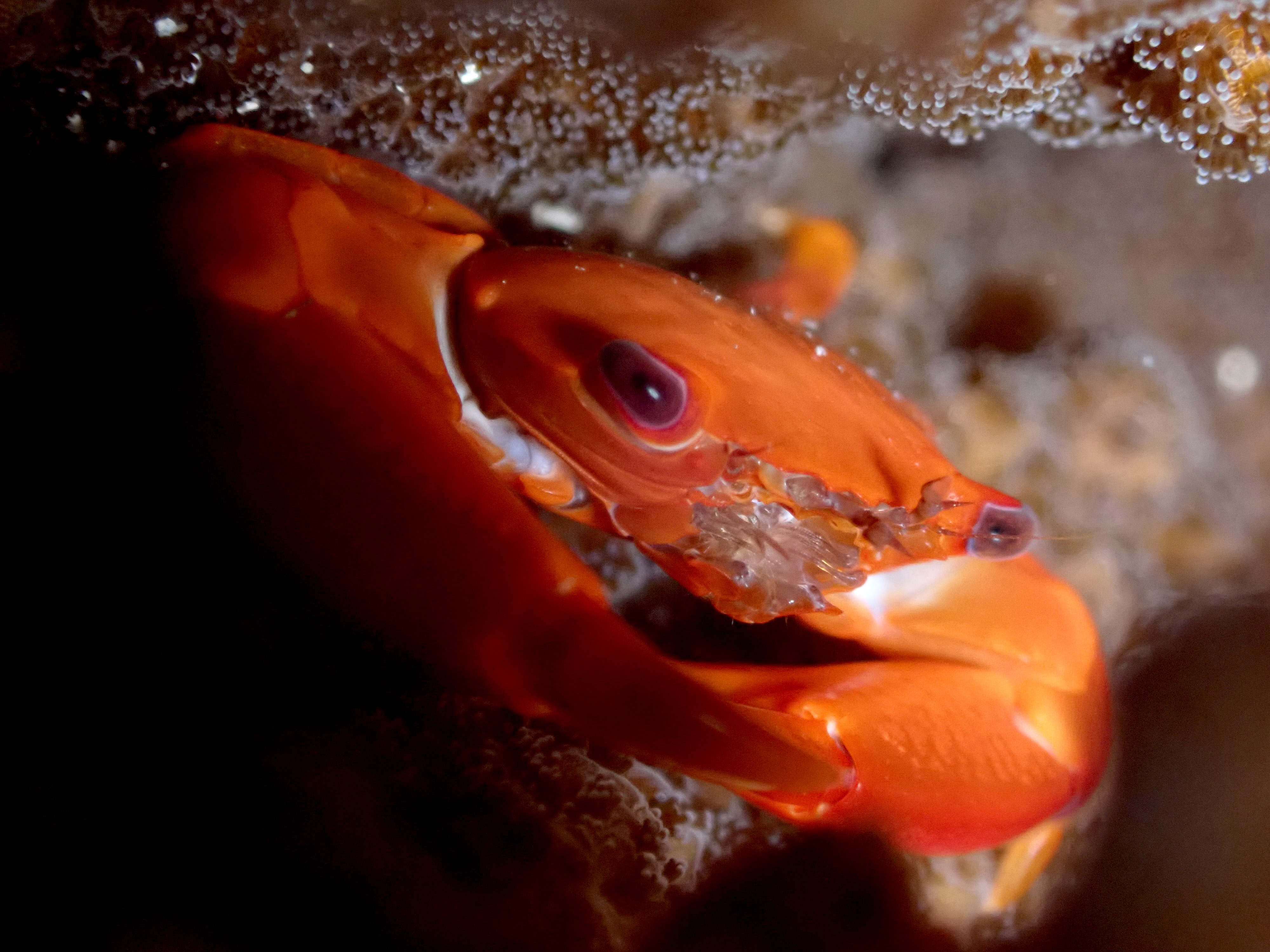
The role of symbioses in resilience
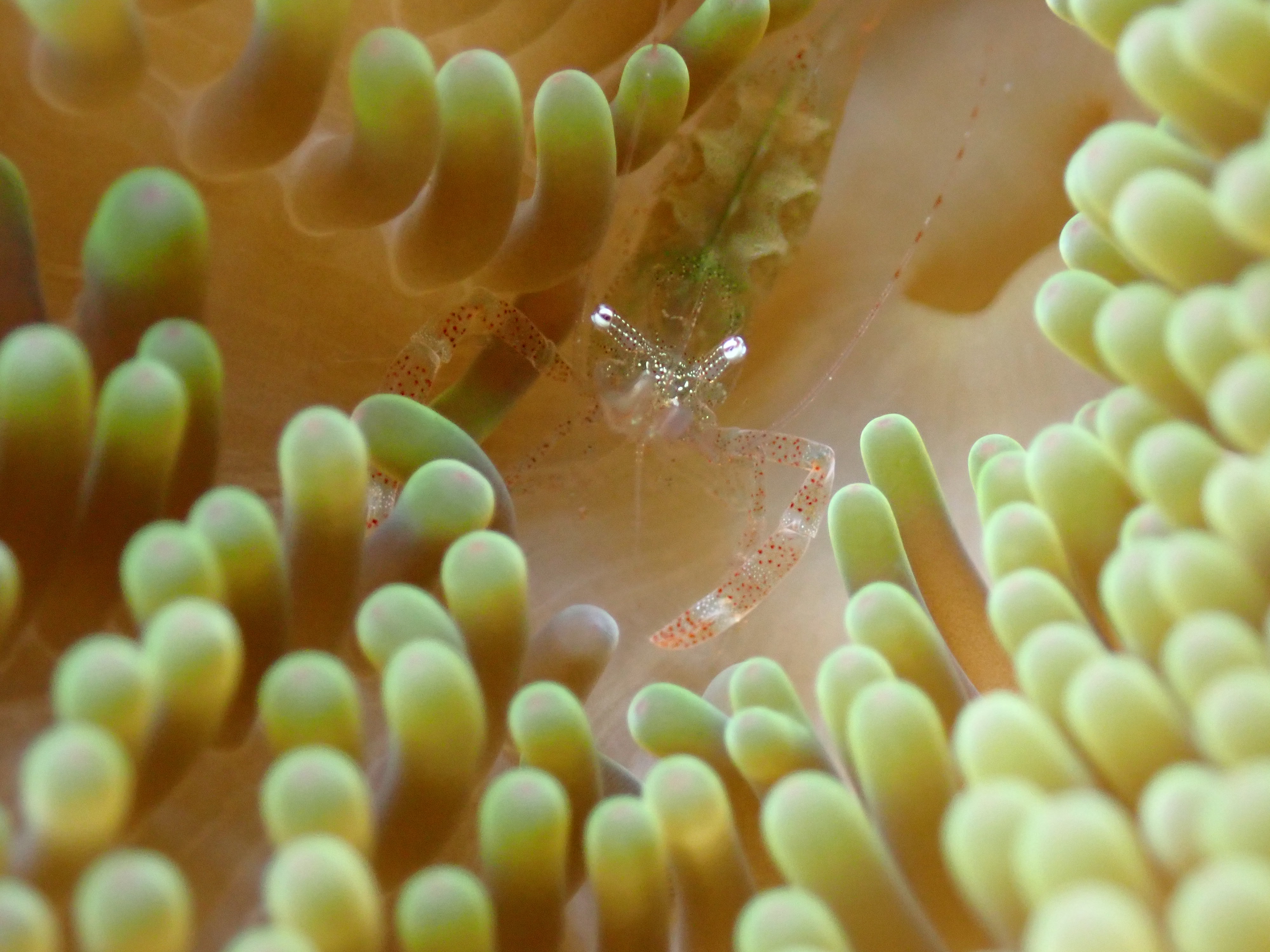
Marine life depends on close partnerships between species. These range from the microbes living inside and on the surfaces of corals and fishes to the crabs and shrimps that shelter among coral branches. We study how these partnerships shape the species involved and how they support the resilience of organisms and ecosystems in the face of global changes.
🌊 The Lab
👥 About the Team
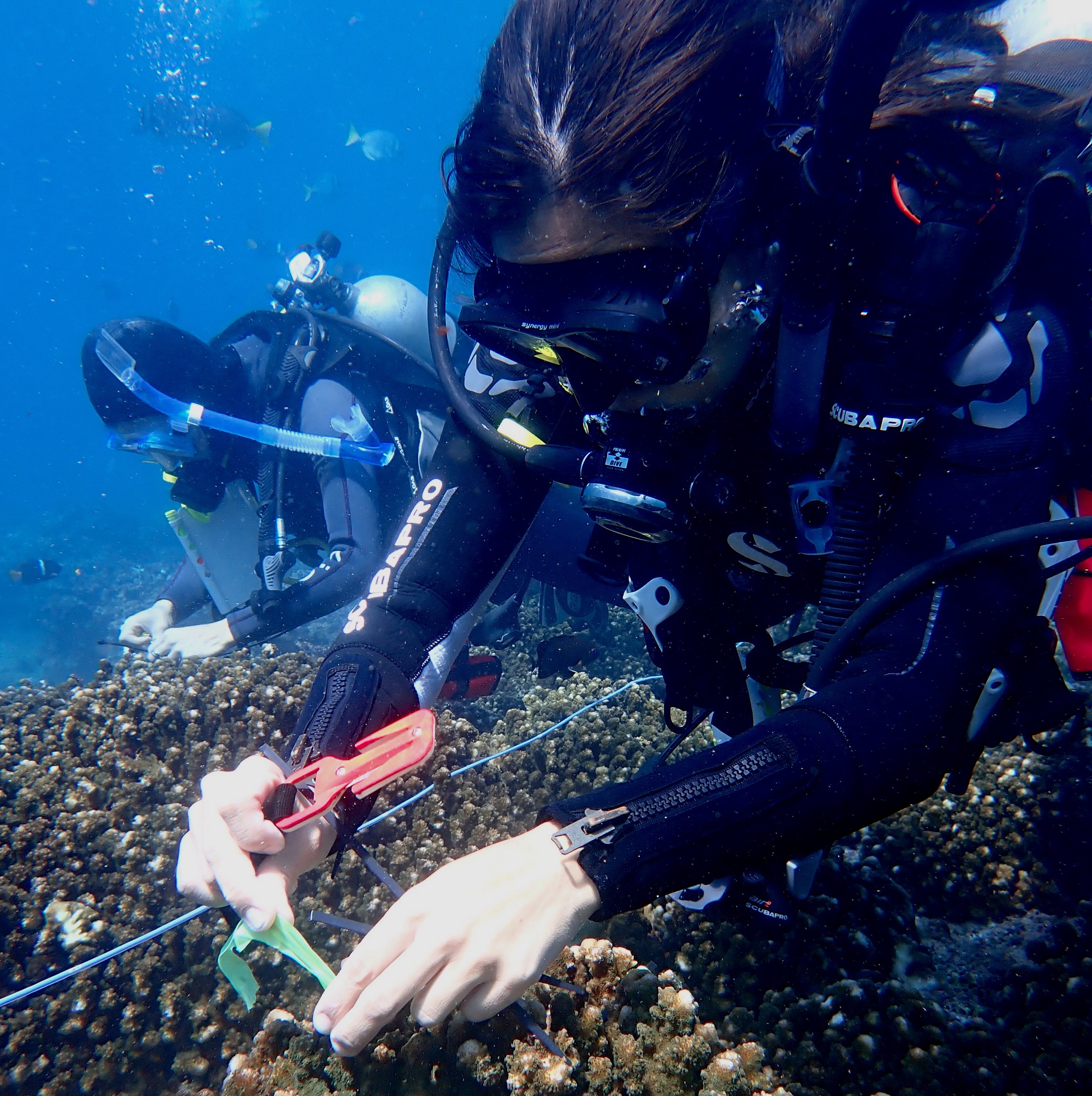
The Symbiosis & Resilience Lab brings together field ecologists, molecular biologists, and data scientists to understand how interactions among marine organisms - from microscopic symbionts to large predators - drive the resilience of coral reefs and coastal ecosystems facing environmental change.
⚙️ Our Methods
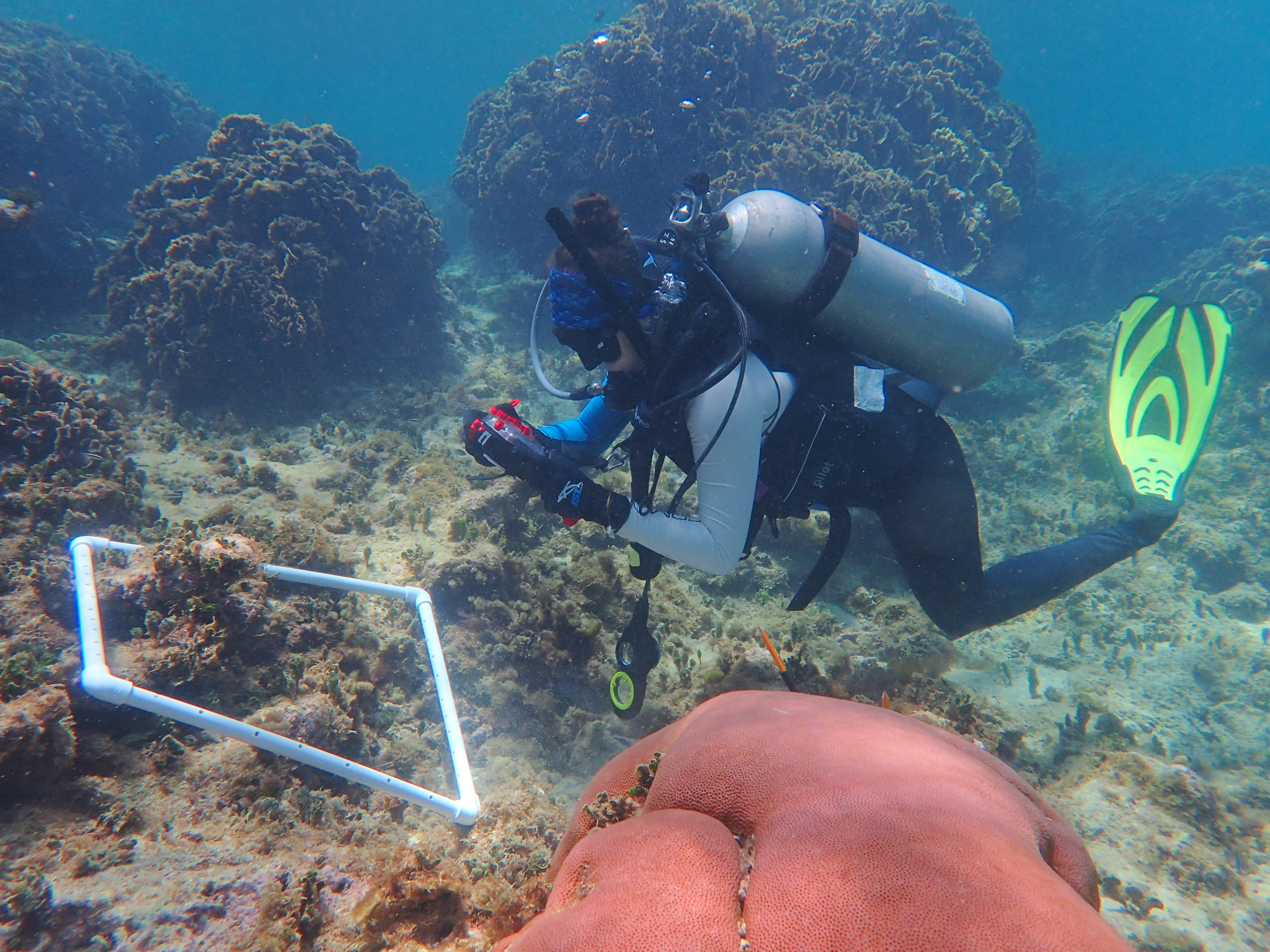
Our research integrates broad-scale environmental sampling, molecular and genomic analyses, and experimental approaches in both field and laboratory settings to quantify the ecological interactions sustaining marine biodiversity and resilience.
🎓 Join Us
We welcome motivated students, postdocs, and collaborators passionate about marine biodiversity and molecular ecology. If you’re curious about how ecosystems respond to environmental change, we’d love to hear from you.
🌍 Connect
Follow our research and updates, and learn more about our work in the field and the lab.
Contact us →
📸 Latest from Instagram

🔗 Follow Us